The Facts of the Accident
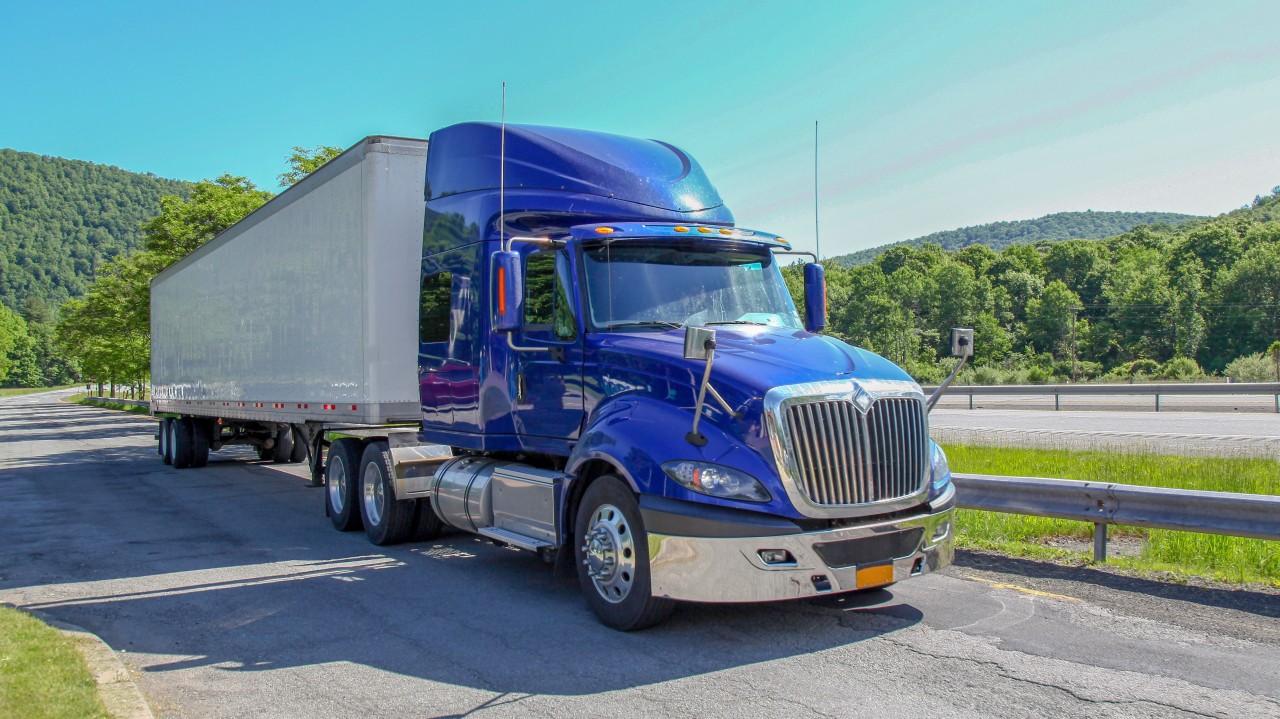
On December 7, 2017, Shawn Montgomery sustained severe injuries when his parked tractor-trailer was struck by another truck on an Illinois highway shoulder. The vehicle that struck Montgomery’s tractor-trailer was operated by Yosniel Varela-Mojena, an employee of Caribe Transport, a motor carrier contracted by the freight brokerage firm C.H. Robinson Worldwide.
Shawn Montgomery claims that C.H. Robinson hired an unsafe carrier, leading to the accident. Montgomery attempted to sue both the broker and the carrier, stating that C.H. Robinson was liable for the driver’s negligence.
In 2025, Montgomery brought a negligence claim in court, seeking to sue all three parties involved in the accident (the broker, the carrier, and the driver).
The Verdict of the Lower Court
The question raised in the lower Court was whether freight brokers could be held liable under state law for accidents caused by motor carriers they hire. Montgomery alleged that C.H. Robinson is vicariously liable for the torts of both the driver and the carrier, and that they hired the driver and carrier negligently.
These claims formed the basis of the lawsuit, in which the district court granted partial summary judgment in favor of C.H. Robinson, dismissing the negligent-hiring claims. The ruling was based on Seventh Circuit precedent, holding that the FAAAA preempts state-law negligent-hiring claims against freight brokers.
Overall, an agreement between C.H. Robinson and Caribe Transport, which stated that Caribe was an independent contractor and retained exclusive control over its employees, led to the defendant being granted partial summary judgment. Due to this signed agreement, the claim of vicarious liability could not support the lawsuit.
C.H. Robinson and Caribe Transport sequentially followed their Broker/Carrier Agreement, which stated that Caribe would act as Robinson’s independent contractor rather than as an agent, and such designations cannot be overlooked.
Additionally, in deciding against finding vicarious liability, the Court highlighted the following
Items of interest:
- C.H. Robinson did not supply or maintain Caribe Transport’s equipment;
- C.H. Robinson did not select the driver, the route, the hours of service, or the locations for rest and fueling stops.
- C.H. Robinson did not make any hiring or firing decisions for Caribe Transport; Robinson did not pay drivers or even make direct payments to Caribe for the loads, nor did it withhold taxes or benefits from these payments.
- C.H. Robinson did not offer drivers any training, manuals, or uniforms.
- Either party could end the relationship at any time.
For these reasons, the Court of Appeals determined that Caribe Transport and its driver were independent contractors of C.H. Robinson. Consequently, vicarious liability could not be imposed on C.H. Robinson.
Heading to the Supreme Court
Although the lower Court ruled against vicarious liability for C.H. Robinson, various federal circuit courts have reached conflicting conclusions. On October 3, 2025, the Supreme Court agreed to review the case to set a precedent and provide clarity on liability for carrier accidents moving forward.
The Current Administration’s Standpoint
At this point, the current administration appears to support preemption, stating that the FAAAA shields brokers from state tort claims alleging negligent hiring of unsafe motor carriers.
The current administration is signaling an intention to uphold the nationwide framework enacted in 1994. The main purpose of backing the brokers in this case is to protect prices, routes, and services that would otherwise be affected by a change in liability standards.
The current administration argues that allowing state-level negligence lawsuits against brokers undermines federal authority, which currently supports the view that brokers should be recognized as intermediaries, not the source of liabilities for negligent motor carriers that they hire.
The Significance of the Verdict for the Trucking Industry
This ruling seeks to establish a clear precedent on whether the FAAAA of 1994 preempts state-level negligence claims. This clarity will provide the industry with a uniform standard for broker liability. If the verdict finds brokers liable, broker liability and insurance costs are expected to skyrocket, creating a bottleneck for the industry. Not only will costs be passed down to shippers and consumers, but capacity constraints are likely if brokers decide to exit the industry due to the high risk.
Additionally, small carriers with lower safety ratings may find it challenging to secure loads from large brokers, as these brokers implement higher vetting standards to mitigate risk and find themselves with few recourse options.
Overall, the outcome of this case will fundamentally change how brokers manage risk and select carriers and shipments, thereby altering the entire freight industry landscape. The Supreme Court’s decision is expected to be released by the summer of 2026.
Whether you need help understanding the new requirements, preparing your drivers, or managing your broader FMCSA compliance obligations, our team is here to help.
Need assistance today?
- Call (800) 500-9295 to speak with a compliance specialist directly to help you navigate your filings with confidence or
- Self-File at FMCSA.com
For more content and updates, follow us on Facebook
Frequently Asked Questions About Montgomery v. Caribe Transport and Freight Broker Liability
Montgomery v. Caribe Transport is a U.S. Supreme Court case examining whether freight brokers can be held liable under state negligence laws for selecting an unsafe motor carrier. The decision could affect how brokers evaluate carriers and manage transportation risk.
The ruling could influence carrier vetting standards, freight broker liability, insurance considerations, and compliance practices across the trucking industry. It may also clarify how federal transportation law interacts with state negligence claims.
The case arose from a 2017 crash in Illinois involving a truck operated by Caribe Transport. The injured party alleged that freight broker C.H. Robinson should also be responsible because it selected the carrier to haul the load.
The lawsuit involves the injured motorist, Caribe Transport, the commercial driver, and freight broker C.H. Robinson Worldwide. The Supreme Court is reviewing the legal claims against the broker.
The Court is deciding whether federal law prevents state negligence lawsuits against freight brokers for carrier selection, or whether those claims may proceed under state law.
Negligent hiring is a legal claim alleging a broker failed to use reasonable care when selecting a motor carrier. Plaintiffs typically argue the broker should have recognized potential safety concerns before assigning freight.
The Federal Aviation Administration Authorization Act (FAAAA) limits states from enforcing laws related to a broker’s prices, routes, or services. The Court must determine whether negligent hiring claims fall within those protections.
Federal preemption means federal law overrides certain state laws. In this case, the Court will determine whether federal transportation law prevents states from allowing negligence claims against freight brokers.
The lower courts concluded that C.H. Robinson did not control Caribe Transport’s daily operations and that federal law preempted many of the negligence claims brought under state law.
Courts often consider whether a broker directed a carrier’s daily operations. If the carrier operates independently, the broker is generally less likely to be treated as responsible for the driver’s actions.
Potentially. If negligence claims are allowed, brokers may strengthen carrier screening, increase documentation, and perform more frequent safety reviews before assigning freight.
Yes. Brokers may adopt stricter qualification standards, making strong safety records and accurate compliance documentation increasingly important for carriers seeking freight opportunities.
Brokers may place greater emphasis on safety ratings, roadside inspection history, Out-of-Service rates, insurance coverage, operating authority, and overall FMCSA compliance.
Carriers with consistent compliance, current registrations, and strong inspection histories may be better positioned if brokers increase their carrier qualification standards.
Possibly. A ruling that expands broker liability could influence underwriting practices, policy requirements, and how insurers evaluate transportation risks.
No. The case concerns civil liability, not FMCSA regulations. Existing federal compliance requirements remain in effect unless new laws or regulations are adopted.
Brokers should continue following current laws while maintaining thorough carrier vetting procedures, documenting qualification decisions, and monitoring carrier compliance.
Verify operating authority, review available safety records, confirm insurance coverage, maintain written qualification procedures, and document carrier selection decisions.
Maintain current FMCSA registrations, address inspection violations promptly, keep Driver Qualification Files complete, maintain insurance, and monitor safety performance regularly.
If brokers become more cautious, some carriers may face additional qualification reviews before receiving freight. Strong compliance records may become an even greater competitive advantage.
The Supreme Court’s decision could establish a nationwide legal standard, making the outcome significant for brokers and carriers operating across multiple states.
At the time this article was prepared, the Court had heard oral arguments and a decision was still pending. Businesses should continue following current legal and regulatory requirements until a ruling is issued.
Continue maintaining accurate records, strong safety programs, and documented compliance procedures. Preparing now can help reduce risk regardless of how the Court ultimately rules.
Yes. Depending on the ruling, brokers may review carrier agreements, qualification procedures, and documentation to better define responsibilities and manage potential liability.
Regularly review carrier qualification procedures, monitor FMCSA compliance records, keep documentation organized, and stay informed about legal developments. If questions arise, consulting a qualified transportation attorney for legal issues or a DOT compliance professional for regulatory guidance can help businesses prepare for any future changes.