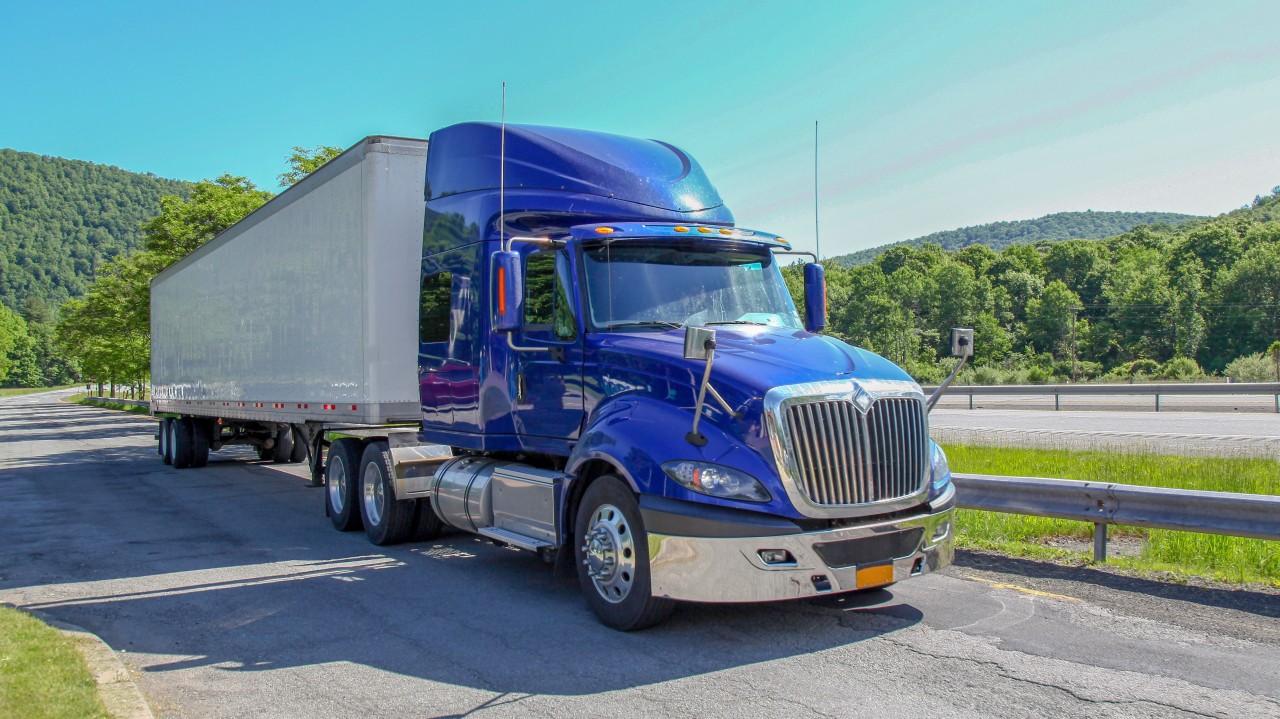
The Unified Carrier Registration (UCR) is a federal requirement for commercial motor carriers that conduct interstate travel. Since 2005, a federal mandate has been in place to create a unified motor carrier database. This consolidation of individual state databases enables the Federal Motor Carrier Safety Administration (FMCSA) to regulate commercial vehicles across the nation.
The filing window is now open (and has been since 10/1/2025). If you have not filed yet, give us a call, and we will take care of this for you. File with FMCSA.com today and let us keep you operating in compliance with federal regulations.
Deadlines to Register for the UCR
Registration opens on October 1st each year, and enforcement begins on January 1st for anyone who does not file timely. Ensure you file your UCR on time every year to avoid penalties and/or fines.
Who Needs to File For UCR Registration?
- For-Hire Motor Carriers: Transporting Goods or Passengers
- Private Motor Carriers: Transporting Their Own Goods
- Brokers: Who Arrange Transportation for Compensation
- Freight Forwarders Who Consolidate Shipments
- Freight Forwarders Who Arrange Delivery With Carriers
- Leasing Companies
How Much Are Fees for the UCR
UCR fees vary depending on the total number of vehicles registered in each fleet, complicating the filing process.
When you file through FMCSA.com, we handle the registration process for you and ensure your company is properly filed in the right bracket, saving you time and protecting you from costly penalties.
Filing with FMCSA.com Costs
| Fleet Size (UCR Bracket) | Your UCR Filing Done For You |
| 0-2 Vehicles | $225 |
| 3-5 Vehicles | $385 |
| 6-20 Vehicles | $685 |
| 21-100 Vehicles | $1,685 |
| 101-1000 Vehicles | $5,700 |
| 1001+ Vehicles | $56,836 |
Where do the Fees from UCR go?
The money paid to the FMCSA from the UCR is used to fund motor carrier safety programs, ensuring that each company is contributing to bettering the industry. Safety initiatives such as USDOT officer training, enforcement, and compliance programs are all directly funded by UCR fees. File with FMCSA.com today to ensure your UCR filing is accurate, on time, and contributing to the industry.
Whether you need help understanding the new requirements, preparing your drivers, or managing your broader FMCSA compliance obligations, our team is here to help.
Need assistance today?
- Call (800) 500-9295 to speak with a compliance specialist directly to help you navigate your filings with confidence or
- Self-File at FMCSA.com
For more content and updates, follow us on Facebook
Frequently Asked Questions About Unified Carrier Registration (UCR)
Unified Carrier Registration (UCR) is an annual registration program for many businesses involved in interstate transportation. Eligible carriers, brokers, freight forwarders, and leasing companies must register each year and pay a fee based on their fleet size.
UCR helps fund commercial motor vehicle safety programs across participating states. The fees support roadside inspections, enforcement activities, and other initiatives that promote highway safety.
No. A USDOT Number identifies your business with the FMCSA, while UCR is a separate annual registration requirement. Many interstate carriers need both to remain compliant.
Most interstate for-hire carriers, private carriers, freight brokers, freight forwarders, and certain leasing companies are required to complete UCR registration each year if they meet the program’s requirements.
Yes. Private carriers transporting their own property in interstate commerce are generally required to register, even if they are not hauling freight for compensation.
Yes. Freight brokers operating in interstate commerce are generally required to complete UCR registration annually, even though they do not operate commercial vehicles.
Yes. Freight forwarders involved in interstate transportation are typically required to register under the UCR program each year.
Some intrastate-only carriers, government-owned vehicles, and certain federally exempt operations may not be required to register. However, carriers should carefully determine whether their operations qualify for an exemption.
Interstate commerce generally involves transporting freight across state lines or hauling freight that is part of an interstate shipment. A carrier may still be considered interstate even if its trucks never leave one state.
The annual UCR registration period typically opens on October 1 for the following registration year, allowing carriers time to renew before enforcement begins.
Enforcement for the new registration year generally begins on January 1. Carriers that have not renewed by then may face enforcement actions during inspections or roadside stops.
Fees are based on the number of commercial motor vehicles operated by a carrier. Companies are placed into fleet-size brackets, with larger fleets paying higher annual registration fees.
Yes. UCR fee schedules may be adjusted periodically, so carriers should verify the correct fee and fleet bracket before filing each year.
Carriers generally need their USDOT Number, business information, and an accurate commercial vehicle count. Having current FMCSA registration information helps ensure an accurate filing.
Failure to file can result in citations, civil penalties, roadside enforcement actions, and registration compliance issues. Missing the deadline may also create unnecessary delays during inspections or audits.
Yes. Using the wrong fleet size, filing under the wrong business entity, or providing outdated information can create administrative issues and may require corrections later.
UCR fees help fund state commercial vehicle safety programs, including roadside inspections, enforcement personnel, compliance initiatives, and transportation safety efforts.
No. UCR is only one compliance requirement. Carriers may also need to maintain an active USDOT Number, complete MCS-150 updates, maintain insurance filings, and satisfy other FMCSA obligations.
Yes. Reviewing your USDOT registration and company information before renewing UCR helps ensure your records remain accurate and consistent across federal systems.
Common mistakes include selecting the wrong fleet bracket, using outdated vehicle counts, missing the filing deadline, or assuming the previous year’s information is still correct.
Track annual renewal dates, verify fleet size before filing, keep copies of registration confirmations, and review company information each year. A simple annual compliance review can help prevent missed deadlines and filing errors.
Yes. If your fleet has expanded, your business structure has changed, or you have added interstate operations, review your UCR information before renewing to ensure you file under the correct fee bracket.
Yes. Many carriers work with transportation compliance professionals to verify eligibility, determine the correct fleet bracket, and complete UCR filings accurately. This can help reduce filing errors and keep annual registrations current.
Timely registration helps avoid penalties, supports uninterrupted business operations, and demonstrates that your company is maintaining its annual federal compliance responsibilities.
Create a yearly compliance calendar, review your FMCSA registration before October, verify your current fleet size, and file early rather than waiting until the deadline. Staying organized makes annual UCR renewal quicker and helps reduce the risk of compliance issues.