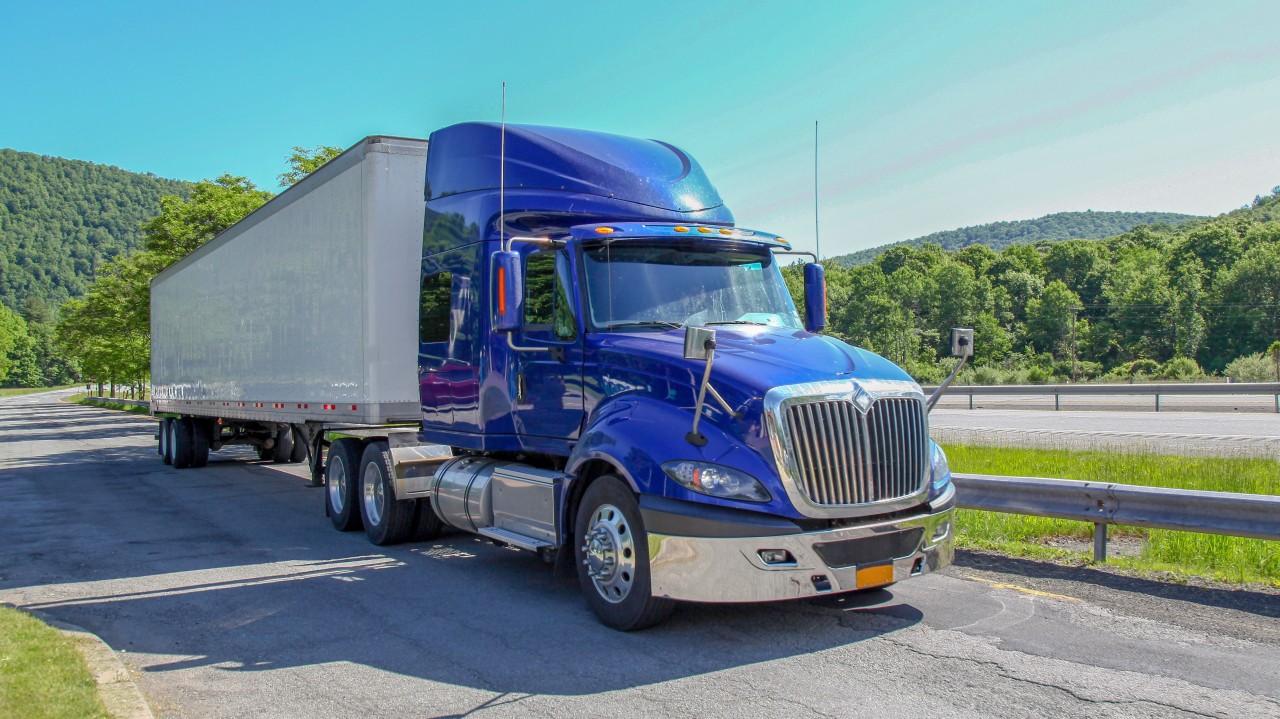
Failing a DOT drug test is a serious matter that results in an immediate halt to any safety-sensitive duties, including driving a Commercial Motor Vehicle. The repercussions of a failed test can have lasting effects on a driver’s career and on safety measures within the transportation industry, highlighting the importance of maintaining a clean, drug-free professional environment.
Failing a Test: Verified positive drug test, a refusal, an adulterated or substituted result, or an alcohol result of 0.04 or higher. In addition to verified positive test results, a refusal to test and certain other testing violations can also trigger Clearinghouse reporting and disqualification from safety-sensitive work
Immediate Consequences
Removal from Duty: The violation is reported to the FMCSA Drug and Alcohol Clearinghouse, and the driver cannot perform safety-sensitive functions unless and until the return-to-duty process is completed.
Clearinghouse Record: The violation is reported to the FMCSA Drug and Alcohol Clearinghouse, resulting in a “prohibited” status. This status prevents you from working for any other DOT-regulated employer.
Termination: DOT rules do not require termination, but many employers choose to terminate based on company policy. A driver cannot simply move to another DOT-regulated employer to avoid the violation, because employers must check the Clearinghouse before allowing a driver to perform safety-sensitive functions.
A DOT drug or alcohol violation does not automatically end a driver’s career, but it does immediately remove the driver from safety-sensitive duties until all federal return-to-duty requirements are satisfied.
Steps to Return to Work (Return-to-Duty Process):
SAP Evaluation: You must meet with a DOT-qualified Substance Abuse Professional (SAP) for an evaluation. The driver must be evaluated by a DOT-qualified Substance Abuse Professional (SAP) and must comply with the SAP’s education or treatment recommendations before being considered for return to duty.
Return-to-Duty Test: You must pass a “return-to-duty” drug and alcohol test, which will be observed.
Follow-up Testing: After returning to work, there must be at least six unannounced follow-up tests in the first 12 months of safety-sensitive duty, and testing may continue for up to 60 months depending on the SAP’s plan.
The return-to-duty process is structured and cannot be skipped. The driver must be evaluated by a DOT-qualified SAP, complete the recommended education or treatment, and then pass a return-to-duty test before performing safety-sensitive duties again. Even after returning, the driver remains subject to a follow-up testing plan that includes at least six unannounced tests in the first 12 months of safety-sensitive duty, with additional testing possible for up to five years.
Long-Term Impact:
The record can remain in the Clearinghouse for five years or until the return-to-duty process and follow-up testing plan are completed, whichever is later. If you do not complete the process, you will be ineligible for safety-sensitive roles in the trucking industry.
File With FMCSA.com
Whether you need help understanding the new requirements, preparing your drivers, or managing your broader FMCSA compliance obligations, our team is here to help.
Need assistance today?
- Call (800) 500-9295 to speak with a compliance specialist directly to help you navigate your filings with confidence or
- Self-File at FMCSA.com
For more content and updates, follow us on Facebook
Frequently Asked Questions About DOT Drug and Alcohol Test Failures
Failing a DOT drug or alcohol test immediately removes a commercial driver from performing safety-sensitive duties. The driver cannot legally operate a commercial motor vehicle (CMV) until all federal return-to-duty requirements have been completed.
A violation can include a verified positive drug test, an alcohol concentration of 0.04 or higher, refusing a required test, or submitting an adulterated or substituted sample. Each of these violations carries the same federal consequences.
No. A failed test does not permanently end a commercial driving career. Drivers who complete the federally required return-to-duty process may become eligible to perform safety-sensitive work again.
The Clearinghouse is a secure federal database that records DOT drug and alcohol testing violations for CDL drivers. Employers use it to verify whether drivers are eligible to perform safety-sensitive duties.
The Clearinghouse prevents drivers from avoiding violations by changing employers. DOT-regulated employers must review a driver’s Clearinghouse record before hiring and conduct annual checks for current drivers.
The system records drug and alcohol violations, return-to-duty progress, follow-up testing status, employer reports, and whether a driver is prohibited from performing safety-sensitive work.
The driver must immediately stop performing safety-sensitive duties. The employer reports the violation to the Clearinghouse and cannot allow the driver to resume driving until federal requirements have been met.
Not necessarily. FMCSA regulations require removal from driving duties but do not require termination. Whether employment continues depends on the employer’s policies, insurance requirements, and business practices.
The return-to-duty process is a federally regulated program that drivers must complete before returning to safety-sensitive work. Every required step must be completed in the proper order.
A DOT-qualified Substance Abuse Professional (SAP) evaluates the driver, recommends any required education or treatment, and determines when the driver is eligible to continue through the process.
The process typically includes a SAP evaluation, completion of recommended treatment or education, a follow-up evaluation, a directly observed return-to-duty test, and employer approval before returning to work.
No. Federal regulations require drivers to complete every step before they can legally return to safety-sensitive duties. There are no shortcuts or alternative pathways.
After returning to work, drivers must complete unannounced follow-up drug or alcohol tests as directed by the SAP. These tests help ensure continued compliance with DOT regulations.
Drivers must complete at least six unannounced tests during the first 12 months, and follow-up testing may continue for up to five years, depending on the SAP’s recommendations.
Yes. Drivers remain subject to normal random DOT testing while also completing any required follow-up testing schedule.
A violation generally remains on a driver’s Clearinghouse record for five years or until the return-to-duty process and follow-up testing have been completed, whichever is later.
Not until the return-to-duty process has been successfully completed. Employers must review the Clearinghouse before hiring, and drivers with a “Prohibited” status cannot perform safety-sensitive duties.
Yes. Once federal requirements have been satisfied, employers may choose to hire the driver. However, each company sets its own hiring standards and insurance requirements.
Refusing a required test is treated the same as a failed test under DOT regulations. The driver is removed from safety-sensitive duties and must complete the return-to-duty process.
Yes. Many employers review Clearinghouse records, company policies, and insurance requirements when making hiring decisions. A completed return-to-duty process may improve future employment opportunities.
Understand testing requirements, comply with all DOT testing requests, participate in employer education programs, and seek guidance immediately if a compliance issue arises.
Motor carriers must remove drivers from safety-sensitive duties after a qualifying violation, report required information to the Clearinghouse, conduct required queries, and follow all DOT testing regulations.
The program helps improve highway safety by ensuring commercial drivers are fit to operate large vehicles. Consistent compliance also protects carriers from regulatory violations and operational disruptions.
Yes. Compliance professionals can help carriers understand Clearinghouse requirements, reporting obligations, and DOT testing procedures, while Substance Abuse Professionals manage the federally required return-to-duty process.
Maintain a drug-free workplace, understand federal testing requirements, complete all required Clearinghouse obligations, and address any violations immediately. Staying proactive helps drivers protect their careers and helps carriers maintain FMCSA compliance.