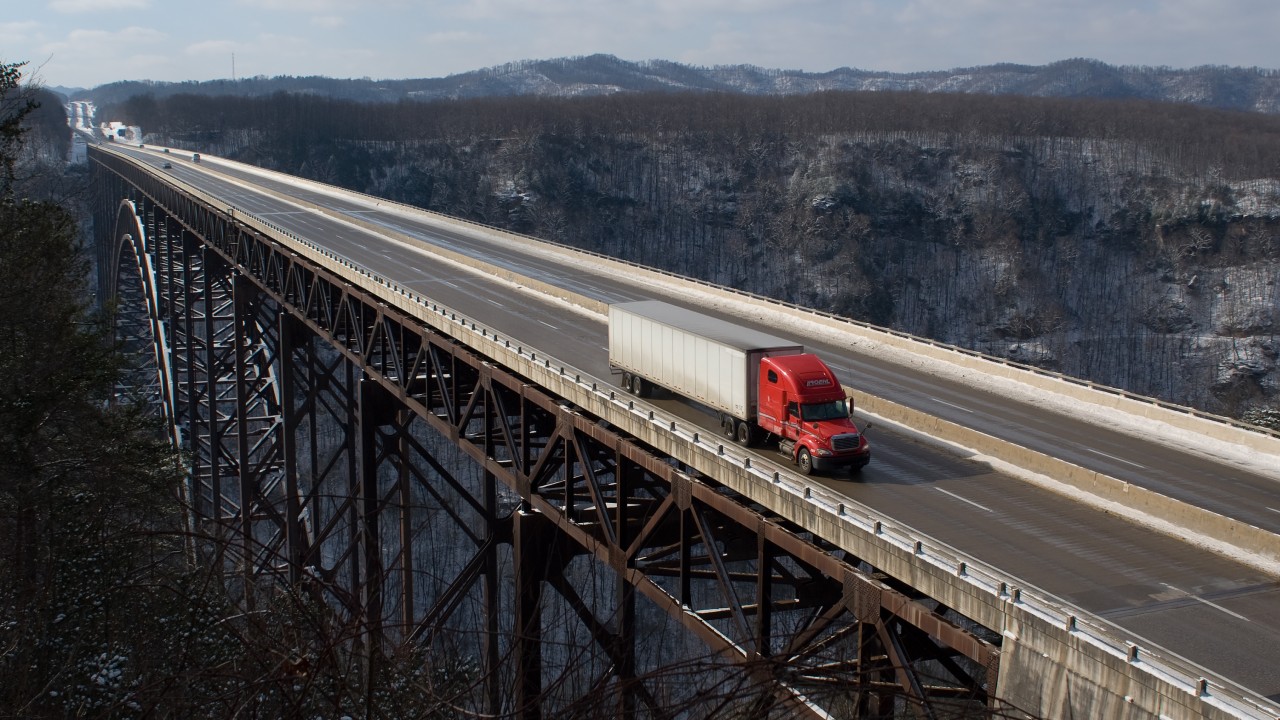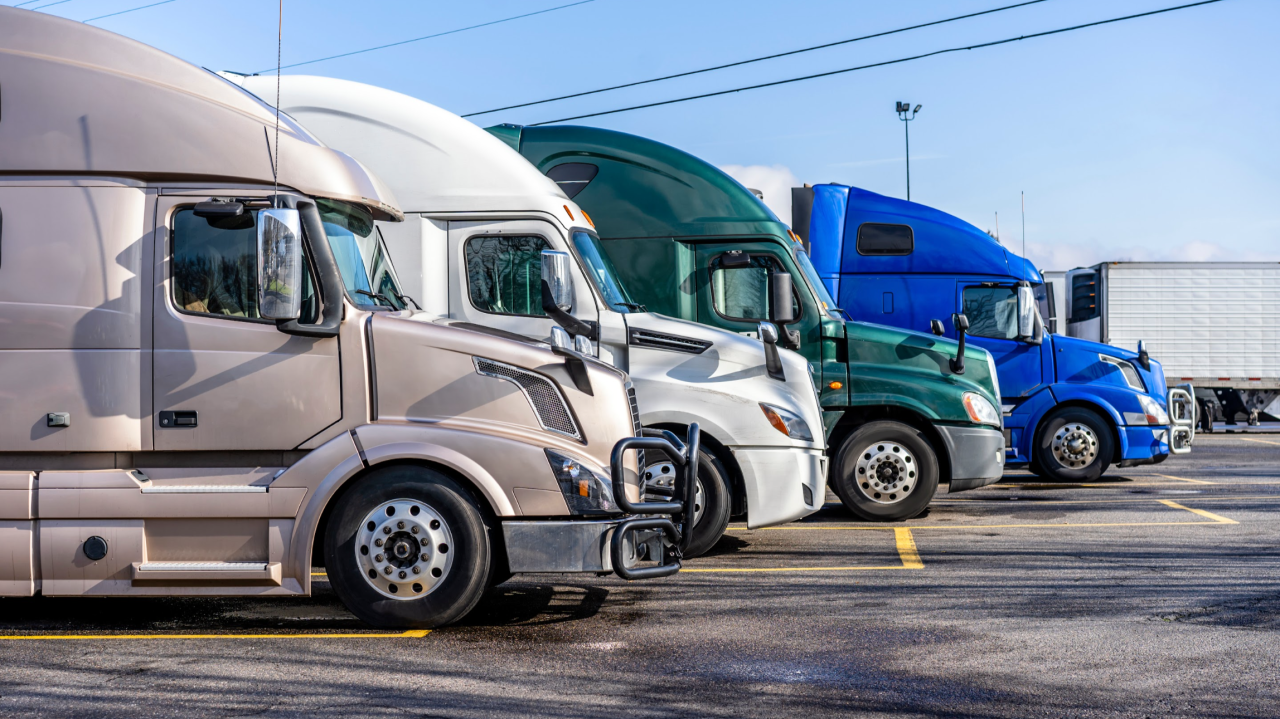

A construction company may operate dump trucks. A utility contractor may use bucket trucks. A manufacturer may deliver its own products, while a landscaping company may occasionally move heavy equipment between jobsites.
These businesses may not consider themselves trucking companies, but that does not necessarily exempt them from federal drug and alcohol testing requirements.
If employees operate commercial motor vehicles that require a commercial driver’s license (CDL), the employer may be subject to the Federal Motor Carrier Safety Administration’s drug and alcohol testing rules.
For private fleets, the challenge is determining which drivers are covered and maintaining a compliant testing program alongside ordinary business operations.
Does DOT Drug Testing Apply to Private Fleets?
Yes, when the operation meets the applicable regulatory requirements.
FMCSA’s drug and alcohol testing regulations are primarily established under 49 CFR Part 382, with testing procedures governed by 49 CFR Part 40.
FMCSA confirms that covered drivers include full-time, part-time, intermittent, backup, and international CDL drivers operating vehicles subject to CDL requirements on public roads in the United States.
The employer’s industry does not determine coverage by itself.
A construction company, municipality, utility provider, or manufacturer may have DOT testing obligations when its employees perform covered commercial driving functions.
However, not every company vehicle or employee with a CDL is automatically covered.
Which Commercial Vehicles Trigger DOT Testing Requirements?
DOT drug and alcohol testing generally applies when drivers operate vehicles requiring a CDL under applicable federal rules.
Common CDL-triggering categories include:
- Certain single vehicles with a gross vehicle weight rating or gross vehicle weight of 26,001 pounds or more.
- Qualifying combination vehicles with a gross combination weight rating or weight of 26,001 pounds or more, including the applicable towed-unit threshold.
- Vehicles designed to transport 16 or more passengers, including the driver.
- Vehicles transporting hazardous materials that require placarding.
An important distinction is that some vehicles qualify as commercial motor vehicles for other federal safety regulations without requiring a CDL. Such vehicles do not automatically trigger FMCSA Part 382 testing.
Employers should evaluate vehicle specifications, actual operations, and any applicable exemptions before deciding which employees belong in the testing program.
Construction Fleets: Who Needs DOT Testing?
Construction companies often employ workers with multiple responsibilities.
A foreman may supervise a jobsite most days but occasionally drive a dump truck. A mechanic may move a heavy vehicle on public roads. An equipment operator may transport machinery between locations.
The employee’s primary job title does not necessarily determine whether testing is required.
If the employee performs CDL-covered driving, the company must evaluate its DOT testing obligations.
A compliant program should identify all employees who may operate covered vehicles, including occasional drivers.
Utility Fleets and Emergency Response Drivers
Utility companies and contractors frequently use specialized vehicles such as bucket trucks, crane trucks, service vehicles, and heavy repair equipment.
Some employees drive only during storms, outages, or other emergencies.
FMCSA includes intermittent and backup drivers among the categories of drivers potentially covered by Part 382.
An employer should not wait until an emergency assignment to determine whether a driver needs pre-employment testing or random testing enrollment.
Certain government and emergency operations may qualify for specific exceptions. Those exceptions should be verified rather than assumed.
Pre-Employment DOT Drug Testing
Before permitting a covered driver to perform safety-sensitive functions for the first time, the employer generally must receive a verified negative DOT pre-employment controlled substances test result.
This requirement can apply when a company hires a new CDL driver or moves an existing employee into a CDL-covered position.
A general workplace drug screening does not automatically satisfy the DOT requirement.
The employer must use appropriate DOT procedures, qualified service providers, and required documentation.
Limited exceptions to pre-employment testing exist under 49 CFR § 382.301, but employers must establish that every condition is satisfied before relying on them.
The company should also complete the required pre-employment Clearinghouse query before assigning covered work.
Random Drug and Alcohol Testing
Covered CDL drivers generally must participate in a compliant random testing program.
Random selection must use a scientifically valid method, give covered drivers an equal chance of selection, and be conducted throughout the calendar year.
FMCSA’s minimum annual random testing rates for 2026 are 50% for controlled substances and 10% for alcohol.
These percentages apply to the relevant average number of covered driver positions, not as a requirement to test every individual driver each year.
Private fleets should regularly reconcile their random testing rosters against actual driver assignments.
Common problems include excluding backup drivers, failing to enroll new drivers, retaining departed employees in the pool, and overlooking seasonal workers.
Reasonable Suspicion Supervisor Training
Private fleet supervisors may need to determine whether a driver’s behavior or appearance provides reasonable suspicion for DOT testing.
Federal regulations require designated supervisors to receive appropriate training.
Under 49 CFR § 382.603, the training must include at least 60 minutes on indicators of alcohol misuse and 60 minutes on indicators of controlled substance use.
Employers should retain documentation demonstrating completion.
A general workplace safety presentation does not necessarily meet this specific requirement.
Post-Accident DOT Testing
Not every vehicle accident requires a DOT drug or alcohol test.
Employers must evaluate the crash against the federal post-accident testing criteria.
Under 49 CFR § 382.303, a fatal crash involving a covered CMV requires post-accident testing of the surviving driver regardless of whether the driver receives a citation.
For qualifying crashes involving immediate medical treatment away from the scene or disabling vehicle damage requiring towing, the applicable citation requirements must also be considered.
Required alcohol testing should occur as soon as practicable, with special documentation and cessation rules at two and eight hours. Required controlled substances testing is subject to a 32-hour limit.
Private fleets should maintain written procedures so supervisors can make timely, accurate decisions.
FMCSA Clearinghouse Requirements
The FMCSA Drug and Alcohol Clearinghouse helps employers identify drivers with reportable drug or alcohol program violations.
Covered employers generally must conduct a full pre-employment query and an annual query for each current covered driver.
Annual limited queries require appropriate driver consent. Full queries require electronic consent through the Clearinghouse.
FMCSA distinguishes CDL holders who operate only non-CDL-required commercial vehicles. Certain queries for those drivers may be optional rather than mandatory solely because they possess a CDL.
Employers should confirm which employees are actually subject to the applicable Clearinghouse requirements.
What Happens After a DOT Drug or Alcohol Violation?
A covered driver with a verified positive drug test or another disqualifying DOT drug or alcohol program violation must be removed from safety-sensitive functions.
Before returning, the driver must complete the applicable Substance Abuse Professional evaluation and prescribed education or treatment, receive a successful compliance determination, and satisfy return-to-duty testing requirements.
Required follow-up testing may continue after the driver resumes safety-sensitive work.
A private employer cannot substitute an ordinary HR drug test for the federally required return-to-duty process.
Can a Private Fleet Use a Consortium or C/TPA?
Yes.
A consortium or third-party administrator can help coordinate random testing, collections, Medical Review Officer communications, Clearinghouse responsibilities, and recordkeeping.
This can be particularly useful for small companies with only a few covered drivers.
However, outsourcing program administration does not eliminate the employer’s compliance responsibility.
The employer must confirm that the provider maintains an accurate driver roster, completes assigned tasks, and makes records available when required.
DOT Testing Records Every Private Fleet Should Maintain
A private fleet should maintain organized documentation covering its drug and alcohol testing program.
Important records include:
- Written DOT drug and alcohol policies
- Covered driver rosters
- Pre-employment test results
- Random selection and completed testing records
- Clearinghouse queries and consent documentation
- Reasonable suspicion supervisor training
- Post-accident testing decisions
- Return-to-duty and follow-up testing documentation
- C/TPA agreements
- Required employee education materials
Records must be retained for the applicable regulatory periods and protected from unauthorized disclosure.
Frequently Asked Questions
Do construction companies need DOT drug testing?
They may. Coverage depends on whether employees perform CDL-covered commercial driving functions, not simply on whether the business identifies as a trucking company.
Does a utility employee who drives only occasionally need testing?
Potentially yes. Intermittent and backup drivers can be subject to the same requirements as full-time covered drivers.
Is a company drug test the same as a DOT drug test?
No. DOT testing must follow specific federal procedures and documentation requirements.
Do all CDL holders belong in a random testing pool?
Not automatically. The relevant question is whether the employee performs or may perform covered safety-sensitive functions.
Does using a C/TPA eliminate employer responsibility?
No. The employer remains responsible for maintaining a compliant program.
Get Assistance With DOT Drug Testing Compliance
Construction companies, utility contractors, manufacturers, and other private fleets should review their covered vehicles, driver assignments, testing procedures, and Clearinghouse responsibilities before a compliance problem occurs.
MCS-150 Biennial Update Filing Services – Fmcsa.com provides private compliance education and assistance resources for commercial vehicle operators.
Visit MCS-150 Biennial Update Filing Services – Fmcsa.com or call (800) 454-2522 for assistance understanding DOT drug and alcohol testing requirements.
MCS-150 Biennial Update Filing Services – Fmcsa.com is a private compliance resource and is not the Federal Motor Carrier Safety Administration or an official government website.