
Do CDL Drivers Always Need Clearinghouse Enrollment?

Understanding When Clearinghouse Requirements Apply CDL drivers are often told they need to “enroll in the Clearinghouse,” but the correct answer actually depends on the driver’s role, employer relationship, testing obligations, and whether the driver performs safety-sensitive functions under FMCSA rules. The Clearinghouse is primarily an employer-facing and compliance-facing system, but drivers also need Clearinghouse […]
The Most Common DOT & FMCSA Compliance Mistakes New Carriers Make

New Entrants Face a Layered Regulatory Environment New carriers often enter the industry with a narrow view of compliance. They understand they need a DOT number. They may know they need insurance. They may hear about MC authority or UCR. But the full compliance environment is broader. In 2026, the challenge has increased with MOTUS […]
FMCSA Clearinghouse Requirements for CDL Employers
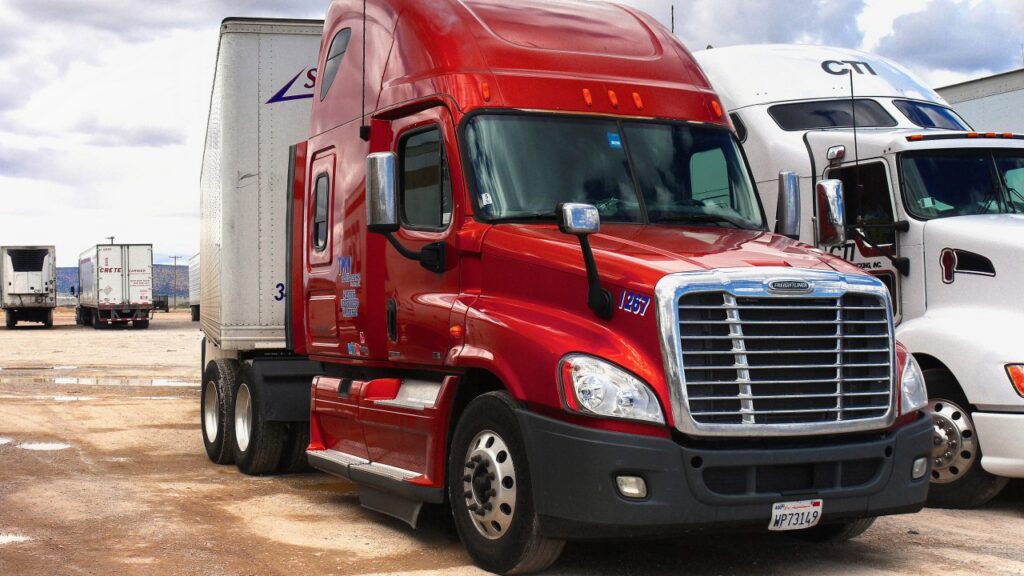
What CDL Employers Need to Know in a Stricter Compliance Environment The FMCSA Drug and Alcohol Clearinghouse is one of the most important compliance systems for employers of CDL drivers. To stay compliant in this day and age, employers need a clear process for registration, driver queries, C/TPA coordination, drug and alcohol testing, and record […]
California Commercial Vehicle Compliance Guide for New Entrants

California is one of the most complex states in the country for commercial vehicle compliance. New entrants must understand not only FMCSA requirements, but also California-specific motor carrier rules, permitting requirements, insurance obligations, vehicle standards, and enforcement expectations. What Is a New Entrant? A new entrant is generally a motor carrier that recently registered with […]
DOT Number and Authority Name Change Support: Why Public Records Need to Match the Business

A company’s legal name, DBA, address, ownership information, and operating authority records are more than administrative details. They are part of the company’s public compliance identity. When a motor carrier, broker, freight forwarder, private fleet, or commercial vehicle business changes its name or business information, the update may need to be reflected across multiple federal […]
SAFER and Company Public Information: The Value of Professional Review and Ongoing Management

Could an outdated SAFER profile be costing your company loads, customers, insurance opportunities, or broker relationships without you even realizing it? Before a broker tenders freight, a shipper approves a carrier, an insurer evaluates risk, or a lender reviews a transportation business, there is a good chance they will review publicly available FMCSA records. If […]
DOT Activation: A Whitepaper Guide for New Entrants and Commercial Vehicle Businesses

DOT activation is one of the first major compliance steps for many commercial vehicle businesses. It is also one of the most misunderstood. A business may need a USDOT number before operating certain commercial motor vehicles. A company may also need operating authority, BOC-3, insurance filings, UCR, state registrations, drug and alcohol testing, Clearinghouse registration, […]
Driver Qualification File Setup Guide: A Compliance Guide for Motor Carriers and Commercial Vehicle Operators

Driver Qualification Files are one of the most important records a motor carrier can maintain. They are also one of the most commonly neglected areas of DOT compliance, especially for small and mid-sized operators that are focused on dispatch, customers, payroll, insurance, vehicle maintenance, and day-to-day operations. A Driver Qualification File, often called a DQ […]
FMCSA’s Clearinghouse Fraud Enforcement and Identity Verification Changes: What Motor Carriers, Owner-Operators, and Compliance Teams Need to Know

The Federal Motor Carrier Safety Administration continues to make clear that fraud, misuse, and improper access within federal transportation safety systems will not be tolerated. That message is especially important for users of the FMCSA Drug & Alcohol Clearinghouse. The Clearinghouse is not merely an administrative website. It is a federal safety database used to […]
New York Commercial Vehicle Guide for New Entrants: What Carriers Need to Know

Starting a trucking, delivery, passenger transportation, or commercial vehicle business in New York requires more than registering a company and putting a vehicle on the road. New entrants must understand how federal and state requirements work together, especially when operating commercial motor vehicles in or through one of the most heavily regulated transportation markets in […]